The Mystery of the Crossowen – the Marie Celeste of Bigbury Bay

This article was donated by historian Henry Wainwright. Henry is scheduled to give a talk in “Shipwrecks Around Bigbury Bay” in the Reading Room on February 1st 2024
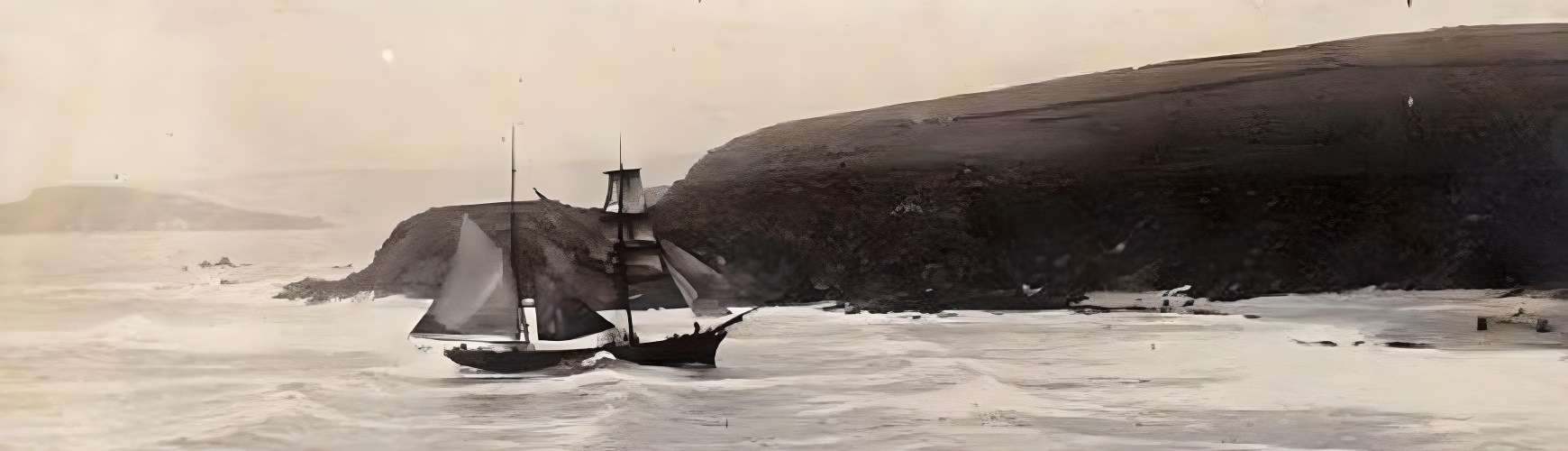
Crossowen arriving

When the residents of Thurlestone awoke on the morning of Friday 7 May 1908 they were surprised to see a brigantine, the Crossowen, in full sail aground on Yarmer Sands. They were even more surprised that when they managed to get aboard the ship that appeared to be fully functional, yet the lifeboat was missing and the boat was deserted. Was this a local re-run of the earlier mystery of the Mary Celeste?

In 1872 the Mary Celeste, an American brigantine was found adrift and deserted in the Atlantic Ocean off the Azores Islands. Her lifeboat was also missing along with the crew. The mystery of the Mary Celeste has never been solved though there are countless theories.
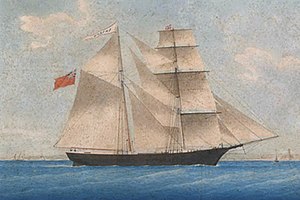
The Mary Celeste

The story of the Mary Celeste would have probably been confined to the history books if it was not for Arthur Conan Doyle and his short story “J. Habakuk Jephson’s Statement” published in 1884. The short story is about a survivor of the Marie Celeste, a fictionalised version of the Mary Celeste, who writes a testimony in the first person. No one did survive the Mary Celeste. In addition, Conan Dolye changed the name. As a result the name Marie Celeste has moved into popular culture and probably better known than the Mary Celeste.

For the Crossowen there was also an unsolved mystery. On the previous night there had been a thick fog despite a strong south-westerly gale. Villagers had heard gunfire, which could have been distress signals but no guns or canon were found on board the Crossowen. Eventually when the coast guards managed to board the Crossowen there were signs that the crew had left in a hurry. Over the next few days the bodies of the crew were recovered from Bantham beach and the Captain’s body found at Cockleridge in the river Avon. In his pocket were all the ship’s papers. The Crossowen was badly holed and was a total wreck within two weeks of first hitting the beach. At the coroner’s enquiry, held in the Village Inn at Bantham (now the Sloop Inn), the coroner found it inexplicable that the Captain had not used his foghorn that was still in his cabin. The coroner returned a verdict of accidental drowning.
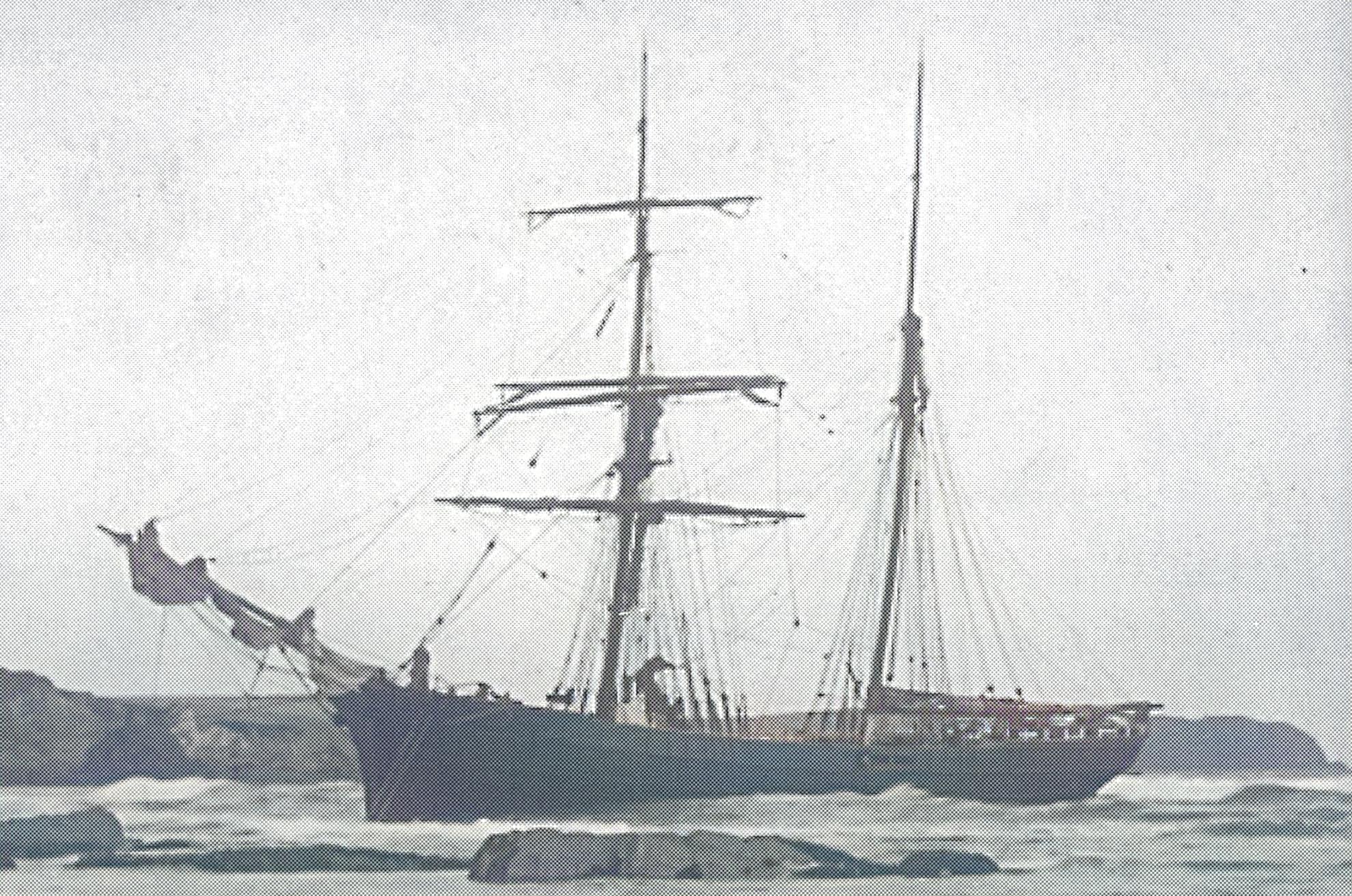
Crossowen without sails

As for the cause of the tragedy, the popular theory was that the Crossowen hit rocks on the edge of Burgh Island. Thinking the ship was doomed, the captain and crew took to the lifeboat and rowed to towards the sound of breakers to find a beach on which to land. Unfortunately, the dangerous breakers at the mouth of the Avon estuary were their demise when the lifeboat overturned. With the rising tide, a crew-less Crossowen became free of the rocks and sailed onto Thurlestone beach. Today the only sign of this tragedy are the gravestones of the Captain and his crew in Thurlestone churchyard.
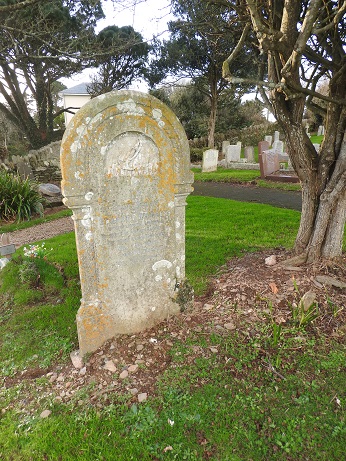
The gravestone of Captain Hitchens

Henry Wainwright

New calendar of upcoming events

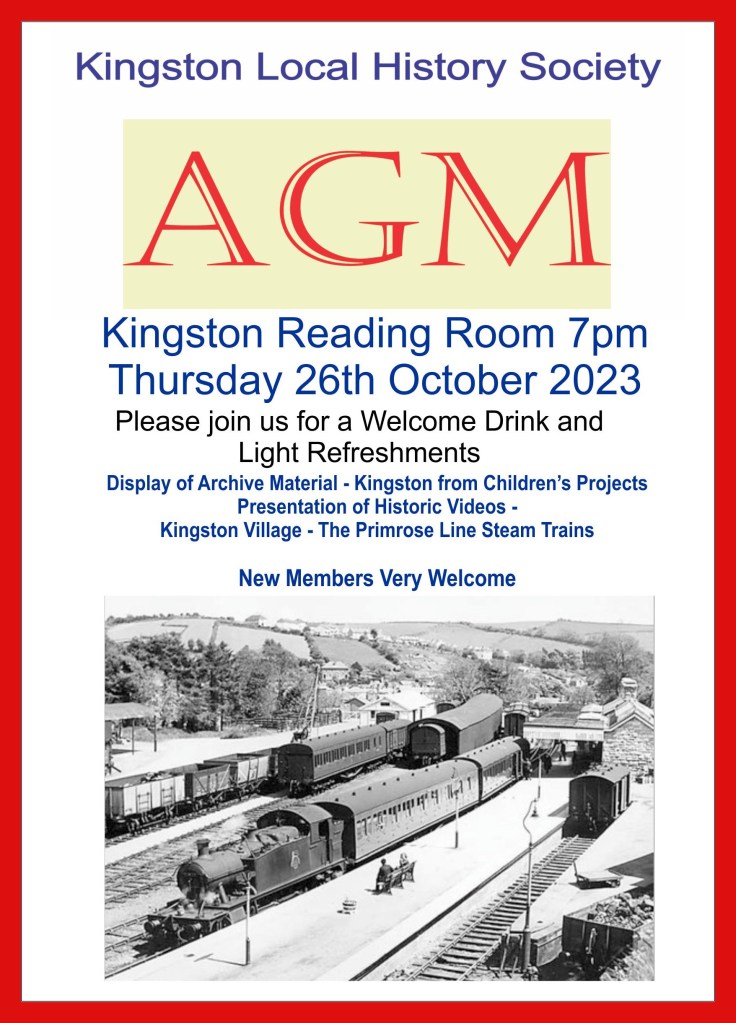
You can now see the latest Calendar of Events for the rest of 2023 and the first half of 2024. The list includes expert guest speakers on a wide variety of topics, and at least one organised trip.

Also included is the date for the Christmas Dinner. An email will be sent to members with the details and menu etc.

Thanks as usual go to Margaret Kelly and Vanessa Walker for their work in organising these events.

Kingston in fiction

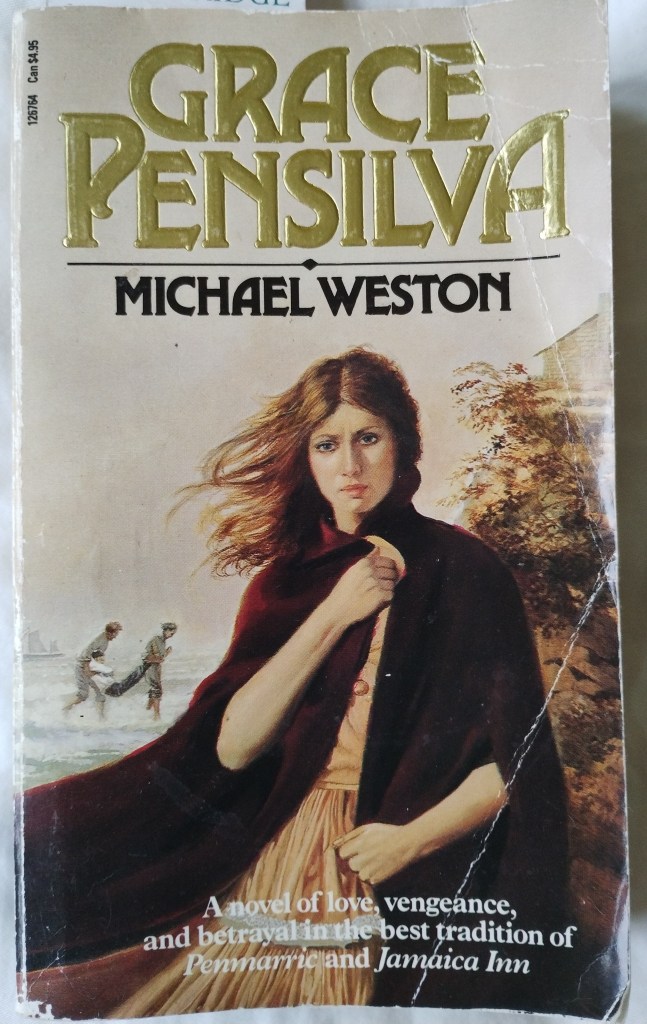
KLHS Webmaster is currently reading a novel set in 19th century Kingston. Though renamed as “Harberscombe”, the village is recognisable through the colourful description of its character and layout as well as the surrounding coast and countryside. Even the villagers’ surnames are familiar – Luggers and Triggs amongst them. Michael Weston was, we understand, a resident of Kingston. Grace Pensilva was published in 1985 and secondhand copies can be found online. A review will follow…

Researching Kingston royalty!

Every year the Kingston village fair sees the appointment of our very own royal family. The tradition appears to go back at least to 1977 when, to mark the late Queen’s Silver Jubilee, a ‘queen’ and two ‘princesses’ were chosen from amongst the village’s children. From 1991 to 1998 the practice was revived along the same lines, then in 1999 the royal family was extended to include a king, queen as well as a prince and princess. The names of all the children who took on these roles in the past has never been properly recorded… until now. Dawn Neil has uncovered a photograph of the final missing royals from 2014.

If anyone knows of any other years before those listed above Karen Freeman would be most interested. 

Iron age Kingston

While the recorded history of our village goes back to Saxon times, there appear to have been people living and farming here many hundreds of years earlier. KLHS Webmaster has recently looked at the archaeological report produced in 2017 following excavations by AC Archaeology Ltd. in the fields on the north east edge of the village known as Vicarage Park – a green space often used by dog walkers. Amongst other intriguing discoveries, trenches revealed a boundary ditch, a post hole and a pottery fragment that pointed to a settlement from the mid to late Iron age (approximately 300 BC to 43 AD). The full report is available as a pdf here on the South Hams District Council website

Visit to Wonwell Court Farm

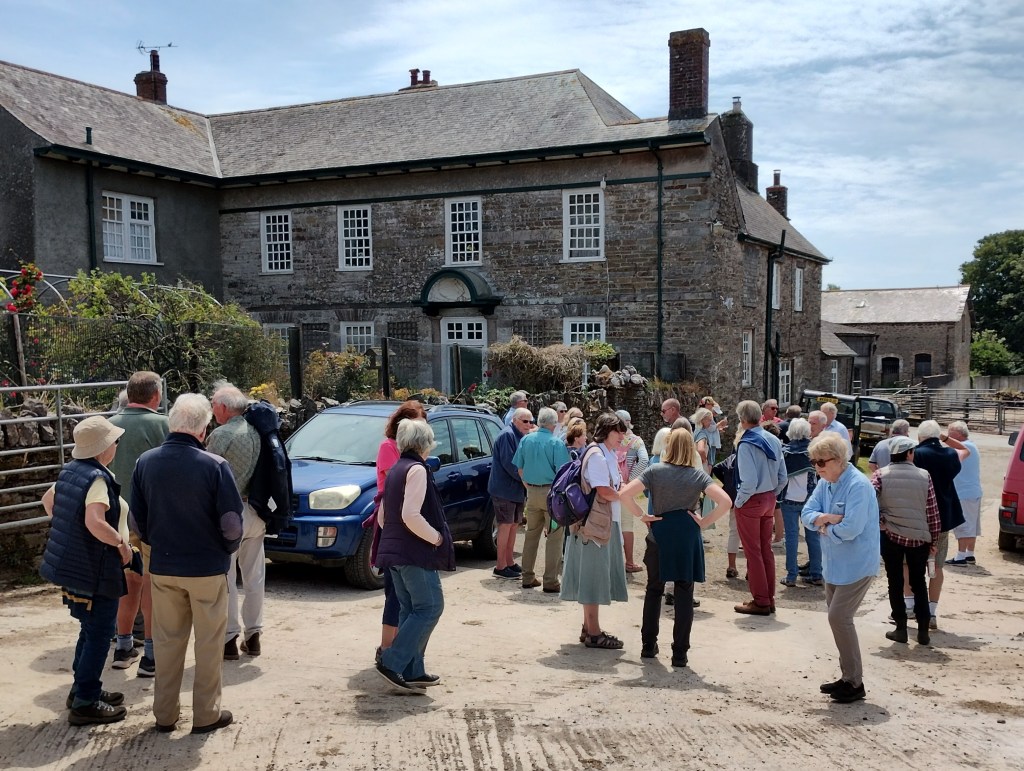
KLHS members were given a rare opportunity to visit historic Wonwell Court Farm. The White family, who have occupied and farmed from Wonwell since the 1980s, hosted an enthusiastic group of visitors who heard about the family’s time at the farm and their plans for the future. Eve White explained how the site appears in records as far back as the Saxon period, and pointed out visible clues to the grade 2 listed building’s medieval origins and later Georgian alterations. The sunny July day was capped off with tea and cakes in Guy and Vanessa Walker’s garden at West View with a chance to study a fascinating display of Wonwell-related research documents and photographs that had been assembled by the KLHS research team.